Fernwell Plants

Care Guides

The questions we get asked most at the shop counter, answered the same way we’d answer them in person.

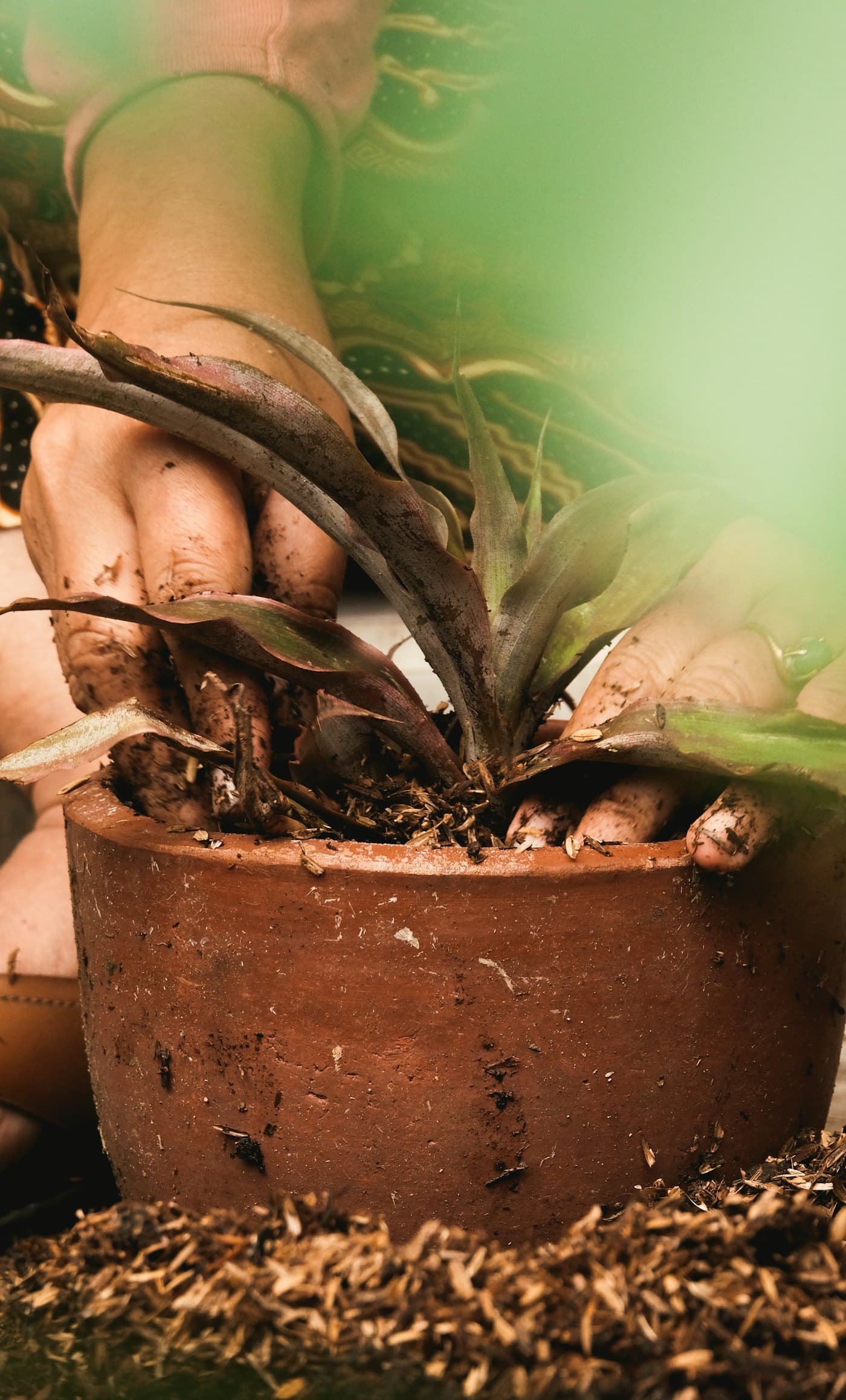
Hands pressing fresh soil around a plant in a terracotta pot

Figuring out your light

"Bright light" means direct sun hits the leaves for at least part of the day — usually a south or west-facing window with nothing blocking it. "Medium light" is a bright room without direct sun, like a few feet back from that same window, or an east-facing window in the morning. "Low light" is anywhere you can comfortably read without a lamp during the day, but no direct sun ever reaches it. Most rentals have more medium and low light than people expect — if you're unsure, guess lower rather than higher.

Watering without a schedule

A calendar reminder to water every Sunday is how most houseplants die — soil dries at different rates depending on the season, the pot, and the plant. Instead, stick a finger an inch or two into the soil. If it's dry at that depth, water thoroughly until it runs from the drainage hole, then let the pot fully drain. If it's still damp, wait a few days and check again. This one habit prevents more plant deaths than any other single change.

Humidity, without a humidifier

Most homes run drier than a plant's native habitat, especially with heating on in a Seattle winter. You don't need special equipment to fix this — grouping plants together raises the humidity around them naturally, a tray of pebbles and water under (not touching) the pot helps, and bathrooms with a window are an underrated spot for anything that likes moisture, like ferns.

When and how to repot

Repot when roots start circling the bottom of the pot or poking through the drainage hole, usually every 1–2 years for a fast grower. Go up only one pot size at a time — a container that's too large holds excess soil that stays wet too long and can rot roots. Water the day before repotting so the root ball comes out cleanly, and expect a little leaf drop afterward; that's normal stress, not a sign you did it wrong.

Dealing with common pests

Small white cottony spots near leaf joints are usually mealybugs; fine webbing on the undersides of leaves is spider mites; tiny flying insects near the soil are fungus gnats, usually from soil staying too wet. Isolate the affected plant from others right away. A cotton swab dipped in rubbing alcohol handles small mealybug infestations directly, and letting the soil dry out fully between waterings starves out fungus gnats within a couple of weeks.

Keeping plants safe around pets

"Toxic" covers a wide range — some plants cause mild stomach upset if chewed, others are more serious, and a curious cat or puppy doesn't know the difference. If you share a home with pets, either stick to the plants we've marked pet safe, or place anything toxic somewhere genuinely out of reach — a high shelf, not just a side table a cat can jump to. When in doubt, our pet safe collection is a good place to start from scratch.